WHO I AM
A pragmatic dreamer. I dream a lot, but at some point I open Figma and start building.
WHAT I DO
I design simple, intuitive digital products, so even my mom knows how to use them ≈ Product Designer

⬐
explore my work
WHO I AM
A pragmatic dreamer. I dream a lot, but at some point I open Figma and start building.
WHAT I DO
I design simple, intuitive digital products, so even my mom knows how to use them ≈ Product Designer
⬐
explore my work
WHO I AM
A pragmatic dreamer. I dream a lot, but at some point I open Figma and start building.
WHAT I DO
I design simple, intuitive digital products, so even my mom knows how to use them ≈ Product Designer
⬐
explore my work
Selected works ⭣
fintech app
balance: Personal finance app
A personal finance app designed to turn complex financial data into clear insights, helping people better understand and manage their money.
12%
trial conversion rate

fintech app
balance: Personal finance app
A personal finance app designed to turn complex financial data into clear insights, helping people better understand and manage their money.
12%
trial conversion rate
fintech app
balance: Personal finance app
A personal finance app designed to turn complex financial data into clear insights, helping people better understand and manage their money.
12%
trial conversion rate
website redesign
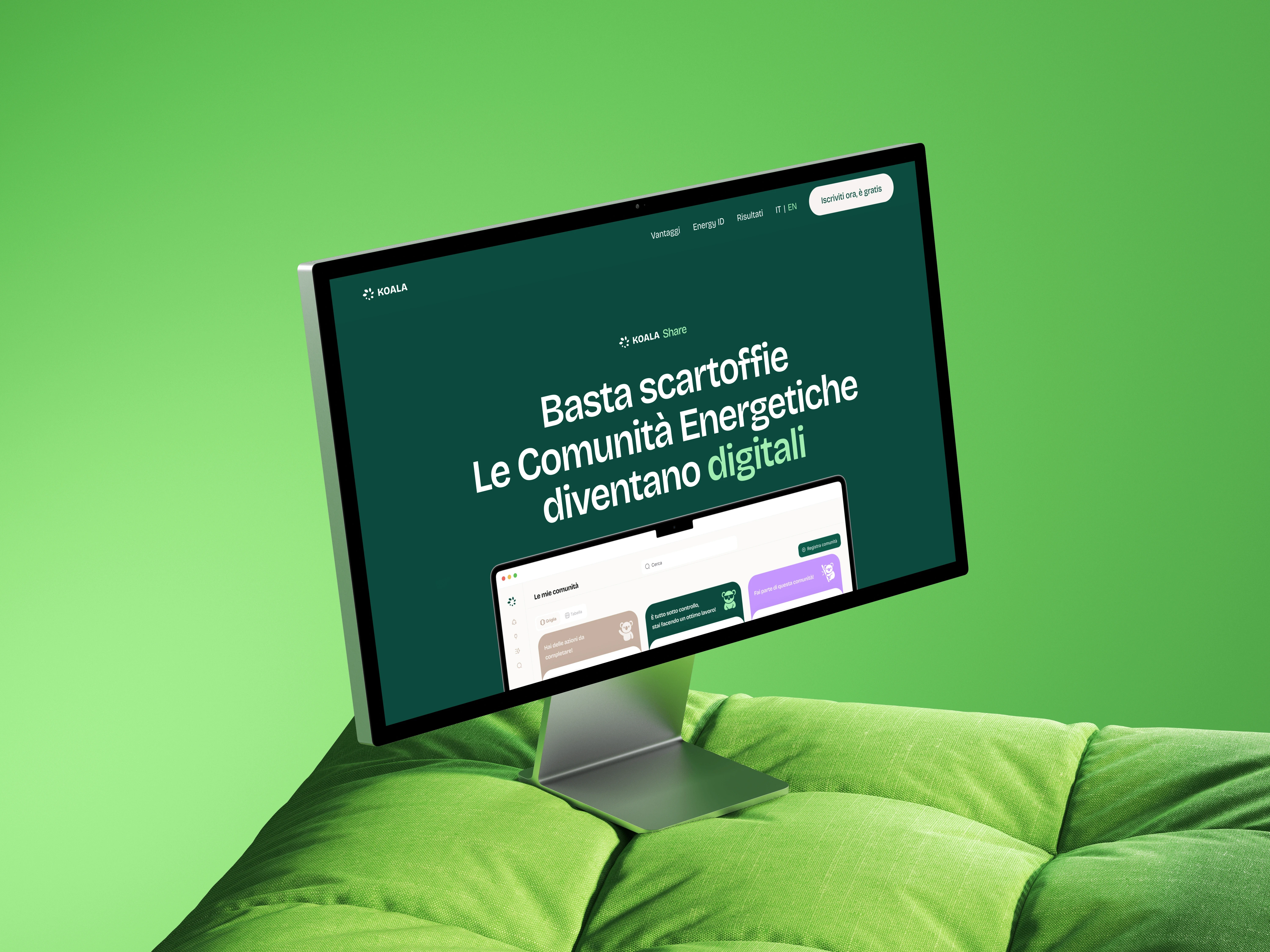
KOALA: Energy startup website
A website designed to communicate Koala’s vision and make the future of shared energy more accessible through a simple and distinctive digital experience.
22%
newsletter signups
website redesign
KOALA: Energy startup website
A website designed to communicate Koala’s vision and make the future of shared energy more accessible through a simple and distinctive digital experience.
22%
newsletter signups
website redesign
KOALA: Energy startup website
A website designed to communicate Koala’s vision and make the future of shared energy more accessible through a simple and distinctive digital experience.
22%
newsletter signups
dashboard
KOALA: Energy platform dashboard
A digital product ecosystem designed to transform the energy market into a simpler, more accessible, and participatory system, with tools built for energy communities, professionals, and citizens.
2
digital products released in a year

dashboard
KOALA: Energy platform dashboard
A digital product ecosystem designed to transform the energy market into a simpler, more accessible, and participatory system, with tools built for energy communities, professionals, and citizens.
2
digital products released in a year
dashboard
KOALA: Energy platform dashboard
A digital product ecosystem designed to transform the energy market into a simpler, more accessible, and participatory system, with tools built for energy communities, professionals, and citizens.
2
digital products released in a year
landing page
MVP Booster: digital service validation
A validation project focused on building a brand, communicating a new service, and turning visitors into potential customers.
8
qualified leads generated

landing page
MVP Booster: digital service validation
A validation project focused on building a brand, communicating a new service, and turning visitors into potential customers.
8
qualified leads generated
landing page
MVP Booster: digital service validation
A validation project focused on building a brand, communicating a new service, and turning visitors into potential customers.
8
qualified leads generated
EXPLORE THE ARCHIVE
Ever since I got my first computer, I’ve always been curious about how things worked and, at the same time, how I could personalize them.
For years, this curiosity lived between two worlds: software, logic, and programming on one side, Photoshop, graphic design, and everything visual on the other.
Studying programming taught me something I still carry into my work today: not to focus only on what people see, but also on everything that needs to happen behind the scenes to make a product actually work.
It was the combination of these two worlds that led me to design. First graphic design, then UX and product design, where I found the balance between aesthetics, logic, and functionality.
Since then, I’ve focused on digital products, bringing together the visual sensitivity I developed through graphic design and a more structured mindset shaped by development.
01
I like products that feel simple, even when there’s a lot of complexity behind them.
I always try to remove friction, make information easier to understand, and create experiences where people don’t need to figure out how a product works before they can actually use it.
My background in graphic design taught me to pay close attention to details. Typography, hierarchy, motion, micro-interactions, and tone might seem like small things, but together they can completely change how a product feels.
That’s why I’m always looking for the right balance between aesthetics and functionality.
02
The work usually starts with understanding the problem and continues through prototyping, testing, and delivering the final solution.
A strict process has never been the goal. The approach changes depending on the context, the team, and the problem we’re trying to solve, avoiding steps that exist only because “that’s how it’s always been done.”
A big part of the work happens outside Figma. Collaborating with developers, designers, and stakeholders means bringing different perspectives together, creating alignment, and turning uncertainty into concrete decisions.
Starting from unclear problems, shaping ideas step by step, and turning them into something that can actually be built and used is what makes the process exciting.
AI is also part of the workflow, mainly to explore alternatives, speed up iterations, and reduce repetitive tasks. The time saved goes into the parts that still require human judgment: understanding the problem, choosing a direction, and evaluating its impact.
03
Ever since I got my first computer, I’ve always been curious about how things worked and, at the same time, how I could personalize them.
For years, this curiosity lived between two worlds: software, logic, and programming on one side, Photoshop, graphic design, and everything visual on the other.
Studying programming taught me something I still carry into my work today: not to focus only on what people see, but also on everything that needs to happen behind the scenes to make a product actually work.
It was the combination of these two worlds that led me to design. First graphic design, then UX and product design, where I found the balance between aesthetics, logic, and functionality.
Since then, I’ve focused on digital products, bringing together the visual sensitivity I developed through graphic design and a more structured mindset shaped by development.
01
I like products that feel simple, even when there’s a lot of complexity behind them.
I always try to remove friction, make information easier to understand, and create experiences where people don’t need to figure out how a product works before they can actually use it.
My background in graphic design taught me to pay close attention to details. Typography, hierarchy, motion, micro-interactions, and tone might seem like small things, but together they can completely change how a product feels.
That’s why I’m always looking for the right balance between aesthetics and functionality.
02
The work usually starts with understanding the problem and continues through prototyping, testing, and delivering the final solution.
A strict process has never been the goal. The approach changes depending on the context, the team, and the problem we’re trying to solve, avoiding steps that exist only because “that’s how it’s always been done.”
A big part of the work happens outside Figma. Collaborating with developers, designers, and stakeholders means bringing different perspectives together, creating alignment, and turning uncertainty into concrete decisions.
Starting from unclear problems, shaping ideas step by step, and turning them into something that can actually be built and used is what makes the process exciting.
AI is also part of the workflow, mainly to explore alternatives, speed up iterations, and reduce repetitive tasks. The time saved goes into the parts that still require human judgment: understanding the problem, choosing a direction, and evaluating its impact.